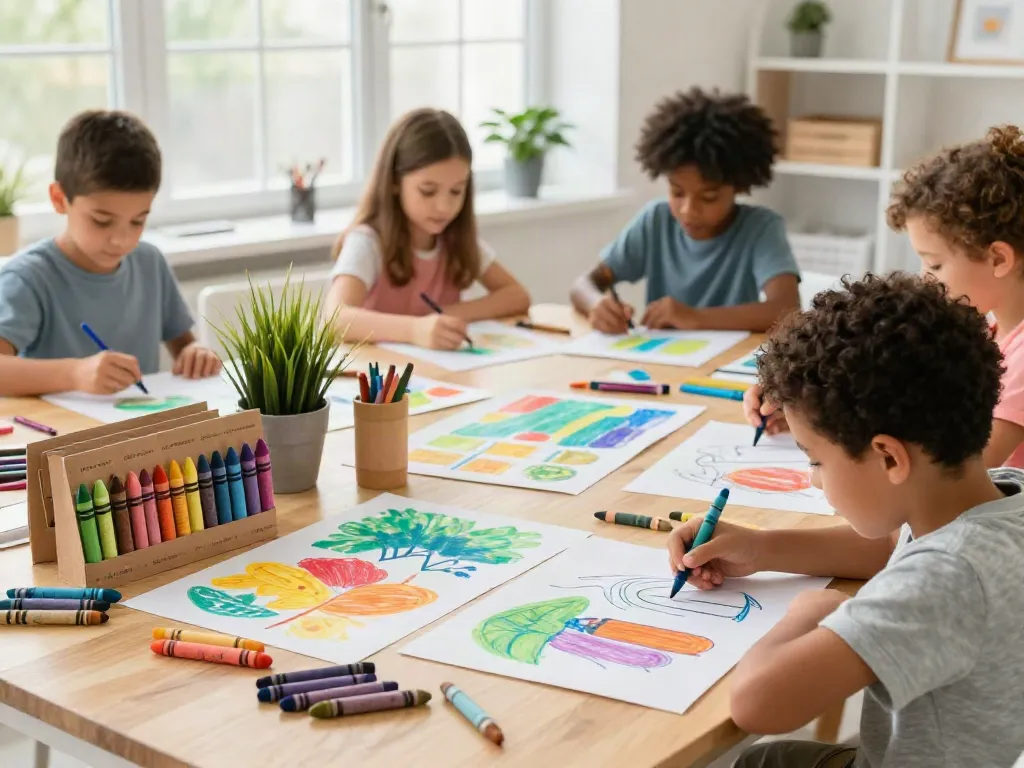
Overview of Crayon Manufacturers
Crayons have been a staple in children's art supplies and creative expression for generations. With the global market for art materials expanding, the role of crayon manufacturers has become increasingly significant. These companies have adapted to meet changing consumer demands by innovating in both product range and production processes. Today, manufacturers produce a variety of crayon types catering to different artistic needs, including traditional wax crayons, vibrant plastic crayons, washable fabric crayons, and environmentally friendly beeswax crayons.
What Types of Crayons Do Manufacturers Produce?
Crayon manufacturers offer a diverse array of products, each serving specific purposes and user demographics. The primary types include:
- Wax Crayons: Traditional and economical, these crayons are widely used in classrooms and homes.
- Plastic Crayons: Known for their durability and variety of shapes, plastic crayons are less prone to breaking and often appeal to younger artists.
- Fabric Crayons: These unique crayons allow users to create washable designs on fabrics, making them perfect for personalized clothing and crafts.
- Beeswax Crayons: Made from natural ingredients, these crayons are non-toxic and eco-friendly, appealing to environmentally conscious consumers.
Understanding Production Processes in the Crayon Industry
The production of crayons involves several stages, including formulation of materials, molding, and packaging. Manufacturers utilize advanced machinery to ensure consistency and quality. With an increasing focus on sustainability, many crayon producers are exploring natural materials and non-toxic alternatives to traditional wax bases. This shift not only aligns with consumer preferences but also meets regulatory standards for safety and environmental impact.
Key Players in the Crayon Manufacturing Sector
Some of the most recognized brands in the market include Crayola, Faber-Castell, and the Deli Group, among others. These companies have established reputations for quality, innovation, and extensive product lines that cater to both educational and artistic needs. Emerging players are also entering the market, offering niche products such as organic and eco-friendly crayons, further diversifying the competitive landscape.
Innovations in Crayon Production
As consumer preferences evolve, so do the approaches of crayon manufacturers. Innovations in production techniques and materials are shaping the future of this industry.
Eco-Friendly Practices Among Crayon Manufacturers
With growing awareness about environmental issues, manufacturers are increasingly adopting eco-friendly practices. This includes using sustainable materials, reducing carbon footprints during production, and offering refillable packaging. Crayon brands emphasizing sustainability not only attract environmentally conscious consumers but also contribute positively to their corporate social responsibility profiles.
Advancements in Crayon Materials and Safety Standards
Safety is paramount in the production of children's products. Leading crayon manufacturers are focusing on developing safe and non-toxic materials. Innovations such as soy wax and plant-based pigments are becoming more popular, as they provide vibrant colors without harmful chemicals. Compliance with international safety standards is a critical aspect of product development, ensuring that crayons are safe for all users.
Emerging Trends in Crayon Design and Functionality
Modern crayon manufacturers are not only focusing on color but also on functionality and design. Crayons with dual purposes, such as scented crayons or those that transform color when wet, are gaining traction. Furthermore, ergonomic designs are being developed to cater to young children's grasp, making art accessible to even the youngest users.
Market Analysis of Crayon Manufacturers
Understanding market dynamics is essential for manufacturers looking to establish themselves in the competitive landscape of crayon production. The trends observed in 2026 indicate a robust market driven by innovation and consumer demand.
Market Demand and Consumer Preferences in 2026
The crayon market is witnessing an uptick in demand for specialized products. Parents are increasingly interested in educational tools that promote creativity while ensuring safety and sustainability. Products like washable fabric crayons are in high demand for crafting and personalized projects. Moreover, eco-conscious parents prefer crayons made from natural materials, shaping the production strategies of leading manufacturers.
Competitive Landscape: How Crayon Manufacturers Stack Up
The competitive landscape in the crayon industry is marked by both established brands and innovative newcomers. While brands like Crayola dominate through extensive marketing and brand loyalty, niche players are successfully carving out market share by focusing on unique selling propositions, such as artisanal or organic products. This diversity in offerings encourages healthy competition and innovation across the board.
Pricing Strategies and Value Propositions
Pricing remains a fundamental concern for both manufacturers and consumers. Competitive pricing can be a significant factor influencing consumer choices. Many manufacturers are exploring cost-effective production methods to lower prices without compromising quality. Offering value packs and bundles is also a common strategy to attract buyers, particularly in educational settings where bulk purchases are typical.
Challenges Faced by Crayon Manufacturers
While the crayon industry is ripe with opportunities, several challenges persist that manufacturers must navigate to succeed.
Addressing Safety and Quality Assurance Concerns
Safety and quality assurance are paramount in the crayon industry, particularly due to the target demographic of children. Manufacturers must rigorously test their products to comply with safety regulations. Challenges arise from ensuring that all materials meet these high standards, especially with the increasing demand for non-toxic options.
Supply Chain Disruptions in the Crayon Industry
Like many industries, crayon manufacturing has faced significant supply chain disruptions, particularly in the wake of global events. Manufacturers are reevaluating their logistics and sourcing strategies to mitigate these impacts. Building local supply chains and diversifying supplier bases are essential strategies to enhance resilience against future disruptions.
Regulatory Compliance and Environmental Impact
As regulations regarding safety and environmental impact become stricter, manufacturers must stay ahead of compliance to avoid penalties and maintain consumer trust. Being proactive in adopting best practices not only ensures compliance but also enhances brand reputation in today's eco-conscious market.
Future of Crayon Manufacturing
The future of crayon manufacturing looks promising as trends toward sustainability, safety, and innovation continue to shape the industry. Analysts predict significant growth opportunities driven by evolving consumer preferences.
Predictions for the Crayon Market in 2026 and Beyond
Industry experts forecast a steady increase in demand for innovative crayon products, particularly those that emphasize eco-friendliness and versatility. The market is expected to expand as educational institutions adopt more creative art programs, driving the need for high-quality art supplies.
Role of Technology in Shaping the Crayon Industry
Technology plays a crucial role in enhancing production efficiency and product development. From 3D printing to advanced materials science, technological advancements are pushing the boundaries of what crayons can do. Manufacturers who embrace technology will likely gain a competitive edge in the market.
How Brands Can Differentiate in a Competitive Market
To stand out in a crowded market, brands must focus on their unique selling propositions. Offering personalized products, engaging marketing campaigns, and superior customer service can set a brand apart. Additionally, collaboration with artists and educators to create unique product lines can enhance brand visibility and drive loyalty.
What are the top crayon manufacturers in the industry?
Leading crayon manufacturers include globally recognized names like Crayola, Faber-Castell, and Deli Group, each known for their distinct offerings and commitment to quality.
How do eco-friendly crayons compare to traditional options?
Eco-friendly crayons often use natural pigments and waxes, making them safer for the environment and consumers alike. Many parents prefer these options for their non-toxic properties.
What innovations are shaping the future of crayon products?
Innovations such as biodegradable materials, multifunctional designs, and enhanced safety features are prominent trends that are reshaping the future of crayon products.
How do crayon pricing strategies affect consumer choices?
Competitive pricing strategies can significantly impact consumer decisions, especially in educational environments where budgets are often limited.
What challenges do manufacturers face in meeting safety standards?
Manufacturers face ongoing challenges in sourcing safe materials, navigating regulatory environments, and maintaining rigorous testing facilities to ensure compliance with safety standards.