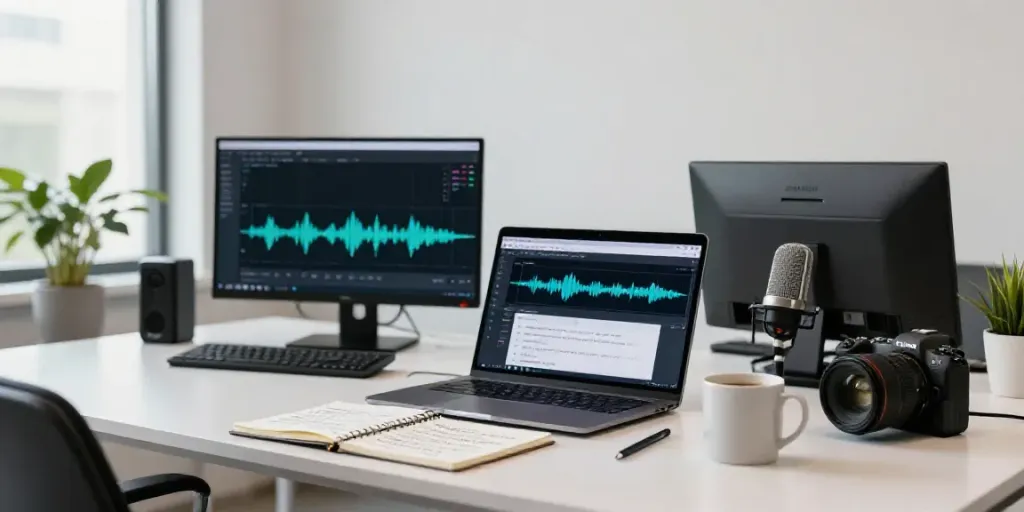
Understanding Affordable AI Audio Transcription
In an increasingly digital world, the demand for efficient and cost-effective transcription solutions has skyrocketed, particularly for those needing affordable AI audio transcription. Whether you're a content creator, a journalist, or a business professional, having access to reliable transcription services can save you time and enhance productivity. This article explores the nuances of AI audio transcription, its benefits, and how to navigate the market to find affordable solutions that meet your needs.
What is AI Audio Transcription?
AI audio transcription refers to the process of converting spoken language into written text using artificial intelligence technologies. Unlike traditional transcription methods where human transcribers listen to audio recordings and transcribe them manually, AI transcription leverages machine learning algorithms to instantly analyze audio data, recognize speech patterns, and produce text transcriptions. This innovation drastically reduces turnaround time and offers a scalable solution for businesses and individuals alike.
Benefits of Affordable Transcription Services
The primary benefits of utilizing affordable AI audio transcription services include:
- Cost Efficiency: Automated transcription is generally more affordable than human transcription, especially for large volumes of audio.
- Speed: AI tools can produce transcriptions in real-time or near real-time, which is especially advantageous for meetings or events.
- Accessibility: Many AI transcription services include features like multiple language support and the ability to recognize various accents, making them accessible to a broader audience.
- Integration: AI transcription services often come with integrations for popular software and platforms, improving workflow.
How AI Transcription Works
AI transcription primarily employs a combination of speech recognition, natural language processing (NLP), and machine learning. Here's a simplified overview of how the process unfolds:
- Audio Input: The audio file is uploaded to the transcription service.
- Speech Recognition: The AI system analyzes sound waves to identify spoken words and phrases.
- Text Generation: The recognized speech is converted into text format.
- Post-Processing: The transcription may undergo additional processing to correct errors and improve accuracy.
Evaluating Cost-Effective Options
Comparing Pricing Models in AI Transcription
When selecting an affordable AI audio transcription service, understanding different pricing models is crucial. Some services charge per minute of audio, while others might offer subscription plans that provide a fixed number of transcription minutes each month. It's essential to evaluate the pricing structure that aligns with your transcription needs and budget.
Features to Look for in Budget Solutions
Not all transcription services are created equal. When evaluating budget solutions, consider the following features:
- Accuracy Rate: Aim for services with high accuracy rates, ideally over 90%.
- Speaker Identification: This feature is particularly useful for transcribing interviews or multi-speaker events.
- Language Support: If you work in a multilingual environment, choose a service that supports various languages.
- Editing Tools: Some services offer built-in editing tools to enhance post-transcription review.
Hidden Costs in Transcription Services
While many transcription services advertise low rates, hidden costs can quickly add up. Be sure to look for:
- Overage Fees: Costs incurred when exceeding monthly transcription limits.
- Quality Assurance: Some services charge extra for human review or accuracy guarantees.
- Integration Fees: Additional charges for integrating with other software platforms.
Challenges and Limitations of AI Transcription
Accuracy vs. Cost: Finding the Balance
One of the most significant challenges in AI transcription is striking a balance between accuracy and affordability. While lower-cost services may provide quick results, they often compromise on the accuracy of the transcriptions. Consider the nature of your content and whether the speed of transcription outweighs the potential need for corrections.
Common Pitfalls with AI Transcription Technology
Despite its advantages, AI transcription is not without limitations. Common pitfalls include:
- Difficulty with Accents: Some AI systems struggle with various accents, leading to inaccuracies.
- Background Noise: Ambient sounds can interfere with the audio input, impacting the quality of the transcription.
- Contextual Understanding: AI may misinterpret jargon or context-specific language, particularly in specialized fields.
Misconceptions about AI Transcription
Many users harbor misconceptions about AI transcription, such as the belief that it is entirely accurate or that it can fully replace human transcribers. While AI transcription is a powerful tool, it is essential to recognize its limitations and the need for human oversight, especially in professional and legal contexts.
Best Practices for Effective Audio Transcription
Preparing Your Audio for Accurate Transcription
To achieve the best results from AI transcription services, preparation is key. Consider the following tips:
- Choose High-Quality Audio: Use the best microphone and recording equipment possible to minimize background noise.
- Eliminate Distractions: Record in a quiet environment to improve clarity.
- Provide Context: Including speaker names and roles can enhance the accuracy of the transcription.
Using AI Tools to Enhance Transcription Quality
Leverage additional AI tools to maintain or improve transcription quality. For instance, using speech-to-text features during meetings can generate draft notes in real-time, which can then be refined through standard transcription services.
Post-Transcription Editing and Review Processes
Even the best AI transcription services require some form of review. Implement a post-transcription editing process to catch any errors or misinterpretations. This step is crucial, especially for professional documents where accuracy is paramount.
The Future of AI Audio Transcription in 2026
Emerging Trends in AI Transcription Technology
The future of AI audio transcription seems promising, with advancements leading to greater accuracy and functionality. Expect trends such as:
- Enhanced Machine Learning: Continuous improvements in algorithms will yield even higher accuracy rates.
- Real-Time Translation: Future services may offer real-time translation alongside transcription, breaking down language barriers.
- AI Personal Assistants: With the rise of personal assistant technology, transcription services may become integrated into everyday tools and devices.
Predictions for the Transcription Market
The AI transcription market is predicted to expand significantly by 2026, driven by the growth of remote work and an increasing demand for accessibility. This shift will likely make transcription services more affordable and accessible to a broader demographic.
How to Stay Ahead in AI Transcription Innovations
To stay competitive in the evolving landscape of transcription services, businesses and individuals should:
- Invest in Training: Familiarize yourself with emerging tools and technologies.
- Monitor Market Trends: Stay informed on changes in the transcription market to leverage new services as they become available.
- Engage with User Communities: Participate in forums and discussions to share insights and learn from others in the field.
What is the best AI for audio transcription?
Determining the best AI for audio transcription often depends on specific use cases and personal preferences. Services like Otter.ai and Sonix are frequently recommended for their balance of quality and affordability.
How much does an AI transcriber cost?
The cost of AI transcription can vary widely, with some services charging as little as $0.10 per minute and others offering subscription plans ranging from $15 to $50 per month, depending on features and usage limits.
Will transcriptionists be replaced by AI?
While AI transcription technology has progressed significantly, it is unlikely to completely replace human transcribers. Many industries still require a human touch, especially for nuanced content where contextual understanding is essential.
Can I earn money by doing audio transcription?
Yes, many people earn money by working as transcriptionists, either through freelance platforms or by offering services directly to clients. As the demand for transcription services continues to grow, opportunities are likely to increase.
Best practices for accurate audio transcription?
Key best practices include using high-quality audio equipment, preparing audio content in a quiet location, and conducting thorough post-transcription reviews to ensure accuracy.